
News
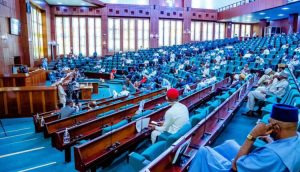
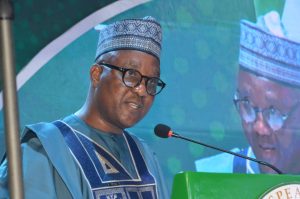
FOR THE RECORD: A KEYNOTE SPEECH BY THE RT. HON. ABBAS TAJUDEEN, PhD, GCON, SPEAKER OF THE HOUSE OF REPRESENTATIVES, AT THE OPENING OF THE 11TH ANNUAL CONFERENCE AND GENERAL ASSEMBLY OF THE WEST AFRICA ASSOCIATION OF PUBLIC ACCOUNTS COMMITTEES (WAAPAC), AT THE NATIONAL ASSEMBLY COMPLEX, ABUJA, NIGERIA, ON 8- 12TH SEPTEMBER, 2025

Protocol:
I am deeply honoured to welcome Honourable Colleagues and friends to the 10th House of Representatives at this 11th Annual Conference and General Assembly of the West Africa Association of Public Accounts Committees (WAAPAC), hosted by the Public Accounts Committee of the House of Representatives, with the support of WAAPAC and our international development partners. This gathering could not have come at a more opportune time, as our nations face mounting fiscal pressures that demand stronger legislative oversight of public debt and borrowing. The theme of this year’s conference, “Strengthening Parliamentary Oversight of Public Debt: The Role of Finance and Public Accounts Committees,” speaks directly to the urgency of safeguarding our financial future. I must, therefore, sincerely thank the Chairman and members of the House Committee on Public Accounts for the outstanding work they have been doing since the inauguration of the 10th House. I would also like to express my appreciation to our development partners for their commitment to accountability and the protection of public finances.
2. Honourable Colleagues and distinguished guests, the theme of this conference goes to the very heart of democratic governance and sustainable development. Indeed, Public debt, when managed prudently, can be a tool for growth and prosperity. Yet, when left unchecked, it becomes a burden that erodes economic stability and threatens the welfare of future generations. Therefore, oversight of public debt is a democratic duty and a moral responsibility of the legislature. Our parliaments must ensure that every borrowing decision reflects prudence, transparency, and the collective interest of our citizens.
3. In Nigeria, as in most of Africa, recent available data indicate that our debt trajectory has reached a critical point. It highlights the urgent need for stronger oversight, transparent borrowing practices, and a collective resolve to ensure that tangible economic and social returns match every naira borrowed.
4. Across Africa, debt levels have reached alarming proportions. By 2022, the continent’s total public debt had reached US$1.8 trillion, with external debt alone surpassing US$1 trillion by 2023. In many cases, governments are spending more on servicing debt than on healthcare and other essential services, shrinking the fiscal space available for development. This continental picture makes clear that Africa faces not just a budgetary concern, but a structural crisis that demands urgent parliamentary attention and coordinated reform. The countries of the West African sub-region carry the same burden.
5. Distinguished Participants, when we examine the sources of Africa’s external financing, it becomes clear that the weight of debt on our continent is shaped by who we borrow from and on what terms. Today, Western private lenders hold about 35 percent of Africa’s government debt through banks, asset managers, and oil traders. Multilateral institutions, such as the World Bank and the IMF, account for another 39 percent, while bilateral loans from other governments comprise 13 percent. Chinese creditors, despite much of the public debate, hold only 12 percent. To place this in sharper focus, in 2019, bondholders alone represented 27 percent of Africa’s external debt, making them the single largest creditor group, ahead of China at 13 percent.
6. The implications of this structure are far-reaching. A significant share of our national revenues is tied to debt servicing rather than being invested in the things our people need most: roads, schools, hospitals, and innovation. The high cost of commercial loans, coupled with the burden of repayment in foreign currencies, leaves many African economies vulnerable to market shocks. This narrows fiscal space, constrains domestic policy choices, and slows the pace of sustainable development. If Africa is to grow stronger, we must not only negotiate fairer terms of borrowing but also rethink our dependence on external finance. We must channel more energy into mobilising domestic resources, fostering intra-African trade, and creating financial instruments that serve the continent’s own development priorities. Only then can we move from vulnerability to resilience, and from dependency to true economic sovereignty.
7. It is also important to stress that effective oversight of public debt requires vigilance, knowledge, and institutional strength. As already noted, debt levels in Africa are rising at a pace that compels us to act with foresight. By empowering our Public Accounts and Finance Committees, we create institutions that can stand as guardians of fiscal discipline and protect our economies from the risks of reckless borrowing. This conference provides us with an opportunity to reflect, share experiences, and develop new strategies for debt governance that are both responsible and sustainable.
8. Furthermore, the imperative of the subject matter lies in its cross-border nature. No country in our region can claim immunity from the consequences of debt mismanagement. Unsustainable debt in one country can affect the stability of others, weaken regional trade, and undermine collective development. It is therefore our shared responsibility to use WAAPAC as a platform for solidarity, peer learning, and collective action. The resolutions of this assembly will not only shape national policies but will also reinforce the accountability architecture of the entire sub-region.
9. The 10th House of Representatives is firmly committed to transparency and accountability in public finances. We recognize that in Africa, where development challenges remain acute, fiscal responsibility becomes indispensable. This is why the House has taken deliberate steps to strengthen parliamentary oversight mechanisms, improve reporting standards, and ensure that public funds are managed with integrity. In doing so, we reaffirm our conviction that transparency is the cornerstone of good governance and the key to rebuilding public trust.
10. In line with this commitment, I am pleased to announce Nigeria’s readiness to champion the establishment of a West African Parliamentary Debt Oversight Framework under WAAPAC. This framework will harmonize debt reporting across our countries, create regional standards for transparency, and empower our parliaments with timely data for effective scrutiny of borrowing practices. It is my conviction that this framework will strengthen our bargaining power in international finance and protect the long-term interests of our citizens.
11. Beyond frameworks, we must invest in people. Nigeria, working with WAAPAC and development partners, will support the establishment of a capacity-building programme for Public Accounts and Finance Committees across the region. This programme will equip members and staff with modern tools for debt sustainability analysis, fiscal risk assessment, and oversight of complex financial instruments. Our approach to oversight must also be inclusive. In addition to the excellent work the Public Accounts Committee is already doing, the House will further introduce policies that guarantee greater citizen participation in debt governance as part of our Open Parliament policy, which has been sustained since 2023. Major borrowing proposals should be subject to public hearings, and simplified debt reports must be made available to the general public. Oversight is most effective when it is not only parliamentary but also people-driven. Citizens have the right to know, and we have the duty to inform.
13. At the same time, we must ensure that debt oversight is anchored in sustainable development. Borrowing should support infrastructure, health, education, and industries that create jobs and reduce poverty. Reckless debt that fuels consumption or corruption must be exposed and rejected. As representatives of the people, we must never forget that our oversight role is not about figures alone but about the lives and futures behind those figures.
14. This is equally a moment to reaffirm WAAPAC’s growth and relevance. Since its founding in 2009, WAAPAC has stood as a symbol of peer learning and solidarity among parliaments in our region. As we look to the future, we must envision WAAPAC as a continental leader in fiscal accountability, expanding its reach and deepening its impact over the next decade.
15. Distinguished delegates, I wish to once again commend the Chairman and members of the House Committee on Public Accounts for their vision, as well as our development partners and all stakeholders present here for their commitment to fiscal responsibility. Your support and presence testify to the shared resolve to build stronger parliaments and better societies.
16. As we begin this five-day conference, I urge all participants to devote themselves fully to the deliberations. Let us work with dedication, for the communiques and resolutions that will emerge from this gathering hold the potential to strengthen effective public finance management and accountability across our continent and our dear country, Nigeria.
17. It is now my singular honour and privilege to declare the 11th Annual Conference and General Assembly of the West Africa Association of Public Accounts Committees open. Thank you, and God bless the Federal Republic of Nigeria.
The United States government has insisted that Nigeria should retain its Country of Particular Concern, CPC, designation, saying the country has not done enough to protect Christians from attacks.
Assistant Secretary of State for African Affairs, Frank Garcia, made this statement on Thursday during a congressional hearing on violence in Nigeria.
Garcia was responding to questions from US Congressman Riley Moore, who asked about the government’s efforts to dismantle militia strongholds and kidnapping camps in the Middle Belt, particularly in Benue and Plateau states.
Moore also raised concerns over the exclusion of the states from the forest guard initiative and delays in deploying 1,000 approved guards to Plateau.
“Before you answer that, we cannot take this CPC designation off of this country. They have not done enough,” Moore said.
Garcia acknowledged the lack of progress, but said Nigeria was taking steps to address the concerns, although they had yet to produce results.
He said the country’s security capacity was still being developed and that deployments were not happening fast enough.
“Unfortunately, the violence has not stopped,” Garcia added, citing continued attacks in Kaduna and Plateau states.
He said the US had provided police training and equipment, expanded intelligence sharing and worked with Nigerian financial institutions to disrupt terrorist financing.
Garcia added that Washington would continue diplomatic engagements and security cooperation to protect vulnerable communities and ensure accountability.
However, the Nigerian government has consistently rejected claims of a “Christian genocide” or targeted religious persecution, maintaining that insecurity affects Nigerians of all faiths.


Liquefied Petroleum Gas, commonly known as cooking gas, has risen significantly, forcing Nigerians to spend more to purchase the product.
The increase comes as depot owners and retailers raised their prices over the past two days.
StockGap increased its depot price by N25 to N1,440 per kilogram. Nigerian Independent Petroleum Company Limited, NIPCO, Mobil (now 11 Plc) and Ardova, on the other hand, sold the product at N1,400 and N1,390 per kilogram, respectively.
Similarly, LPG retail outlets, including Raniol, Juda Oil and Nigerian National Petroleum Company Limited, NNPC, outlets in Abuja and its environs, now dispense cooking gas at between N1,550 and N1,600 per kilogram, up from N1,400 and N1,500.
Micro-LPG dealers sell the product for between N1,700 and N1,800 per kilogram, depending on the location in Abuja.
Earlier, NIPCO’s spokesperson, Taofeek Lawal, had exclusively told DAILY POST that LPG prices could increase further between November and January next year.
The latest price increase means that Nigerians who previously spent N17,500 to refill a 12.5kg cylinder at N1,400 per kilogram will now pay N20,000 at the new rate of N1,600 per kilogram, representing an additional N2,500.
News
2027: Tinubu Must Withdraw ‘All Is Fair in Politics’ Remark, Embrace Peaceful Coexistence — ADC-PCC
The African Democratic Congress Presidential Campaign Council (ADC-PCC) has called on President Bola Ahmed Tinubu to publicly retract his controversial “All Is Fair in Politics” remark, warning that such rhetoric fuels political division, emboldens thugs and poses a grave threat to the nation’s peace and stability.
The ADC-PCC also expressed concern over what it described as the President’s disturbing silence on the conduct of some APC governors and party chieftains who have openly made inflammatory statements and allegedly encouraged political violence.
In a statement signed by its Director of Media and Publicity, Kola Ologbondiyan, the ADC-PCC urged President Tinubu to rise above partisan interests and demonstrate the statesmanship expected of a national leader, citing former President Goodluck Jonathan’s unequivocal declaration that no presidential ambition was worth the blood of any Nigerian.
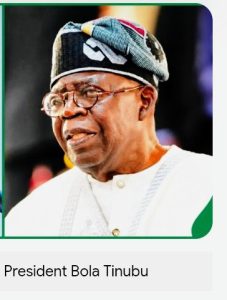
The Council described as shocking the President’s failure to condemn the growing wave of political violence, noting that, through his spokesman, Mr. Bayo Onanuga, the Presidency had instead chosen to caution opposition parties while shielding those allegedly responsible for violence within the ruling APC.
“President Tinubu cannot claim to desire peace when his own words provide cover for violence.
“‘All Is Fair in Politics’ is not the language of a Head of State. It is the language of political desperation and an open licence for thuggery, ballot snatching, intimidation and bloodshed.
“From Edo to Cross River, Gombe to Lagos, and Kebbi to Kaduna, Nigerians have witnessed attacks on opposition gatherings, destruction of campaign materials and the brutalisation of innocent supporters, allegedly by APC-sponsored thugs.
“Yet, Mr. President has not considered it necessary to call his governors and party members to order.
“Instead, the Presidency has resorted to diversionary tactics, blaming victims and preaching restraint to the opposition while members of the ruling party are accused of unleashing violence across the country,” the statement said.
The ADC-PCC challenged President Tinubu to explain why his condemnation of political violence appears directed at the opposition rather than members of his own party.
It asked: “Why has Mr. President refused to condemn APC governors who openly threaten opposition supporters? Why has he remained silent over public incitement by officials of his party? Why is his anger always directed at the opposition and never at those within his own political fold?”
The Council maintained that the ADC remains committed to peaceful, issue-based political engagement, insisting that its campaign is focused on addressing the country’s pressing challenges, including hunger, insecurity, unemployment, corruption and what it described as the failures of the Tinubu administration.
It accused the APC of resorting to violence because it had little to offer Nigerians in terms of credible solutions to the country’s problems.
Consequently, the ADC-PCC demanded that President Tinubu immediately and publicly withdraw his “All Is Fair in Politics” remark, condemn and call to order APC governors and party officials accused of inciting violence, and direct security agencies to protect all Nigerians impartially rather than allow them to become instruments of intimidation and oppression against opposition parties.
” Nigeria belongs to all of us. No political ambition is worth the blood of any Nigerian.
“If former President Goodluck Jonathan could make that profound declaration in 2015, President Tinubu has no excuse not to say so and demonstrate the sincerity of his commitment to peace in 2026.
“The ADC will not be intimidated. We will continue to campaign peacefully, and in 2027, Nigerians will have the opportunity to vote for competence, integrity and a new beginning,” the statement added.


-
News5 days ago
IGP Disu decorates 29 senior police officers with new ranks….charges them on professionalism, integrity,others
-
News4 days ago
Airstrikes kill 40 ISWAP terrorists in Borno
-
News4 days ago
We finally received CTC Of Lifu’s Judgement, without Atiku, Other Candidates Names Mentioned—Senator Melaye
-
News4 days ago
2026 U-17 WWC: Tinubu rewards each Flamingos player with ₦100m
-
News5 days ago
How Federal High Court Chief judge is beign blackmailed with EFCC, CCB- ADC Campaign Council
-
News2 days ago
Crowd Shouts ‘Bamayi’ at Tinubu, pelt convoy in Abuja
-
News5 days ago
Oil slump opens door to cheaper petrol for Nigerians …as Brent hits lowest since August
-
News5 days ago
Oil price fall: We ‘ll take appropriate action against marketers, petrol stations over unfair practices- FCCPC